
Live Bird Migration Maps: How to Watch a Billion Birds Move
August 13, 2026 · 4 min read
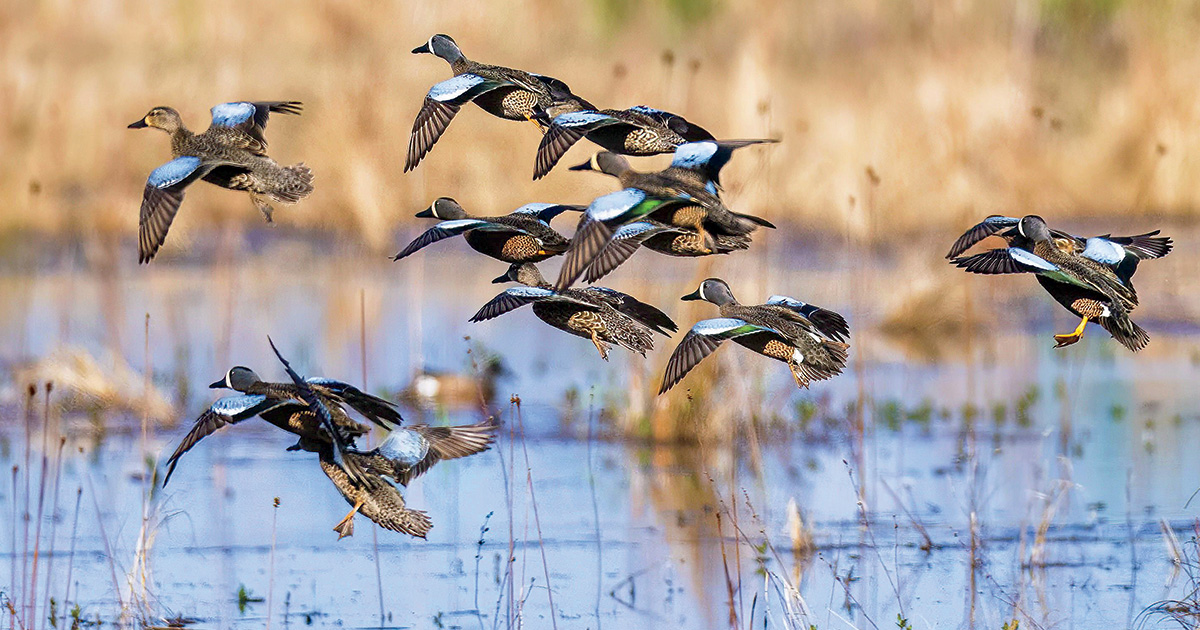
Most songbirds migrate at night. The air is cooler and calmer, predators are fewer, and the stars are available for navigation.
For most of history that made migration effectively invisible. Birds left after dark and were simply gone by morning. Then radar operators noticed something odd on their screens.
How weather radar became a bird counter
During the Second World War, radar crews reported mysterious returns that drifted across the display at night with no aircraft behind them. They called them angels. They were birds.
Modern weather radar has the same blind spot, and researchers turned it into a tool. Shortly after sunset in migration season, radar stations pick up a bloom of echoes rising off the ground: hundreds of thousands of birds taking off at once. Because the shape and movement of those echoes differ from rain, the signal can be separated out and converted into an estimate of how many birds are aloft, how high they are, and which way they are heading.
That is what powers live migration forecasts. BirdCast, run by the Cornell Lab of Ornithology with Colorado State University and the University of Massachusetts Amherst, turns the United States radar network into a nightly bird count.
The numbers are hard to believe
On the night of 25 September 2025, BirdCast estimated that more than 1.2 billion birds were in flight over the United States, the largest single-night total since the system launched in 2018. The record fell again two weeks later, on 8 October, at roughly 1.25 billion.
Those are not birds seen by anyone. They are birds detected passing overhead, mostly a few hundred to a few thousand metres up, in the dark, above people who had no idea it was happening.
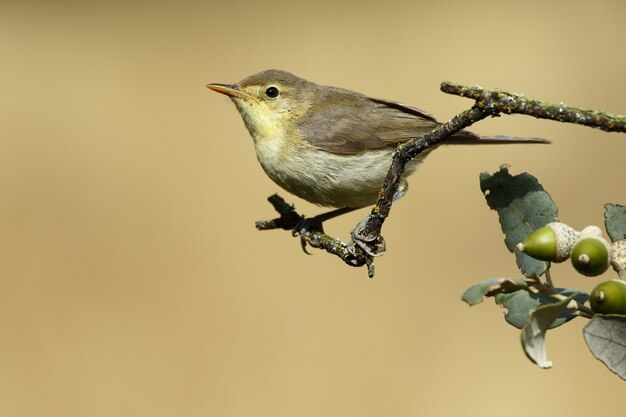
When to watch
Migration is not one event but two long seasons with sharp peaks.
- Spring passage in North America runs roughly from the start of March to mid-June, peaking between mid-April and mid-May.
- Autumn passage runs from the start of August to mid-November, peaking between mid-September and mid-October.
Autumn is longer and more diffuse because it includes the year's young birds moving at their own pace. Spring is compressed, because arriving early at a breeding ground is worth taking a risk for.
Within a season, the biggest nights follow the weather. Migrants wait for a favourable tailwind, so a passing front often triggers a mass departure, and the next morning a local park can fill with birds that were nowhere near it the day before.
What to do with a migration forecast
Two things, and one of them costs nothing.
If you want to see birds, check the forecast in the evening and go out early the following morning. Heavy overnight movement means tired migrants dropping in at dawn to refuel, and a sound identification app will name most of what you hear before you spot it.
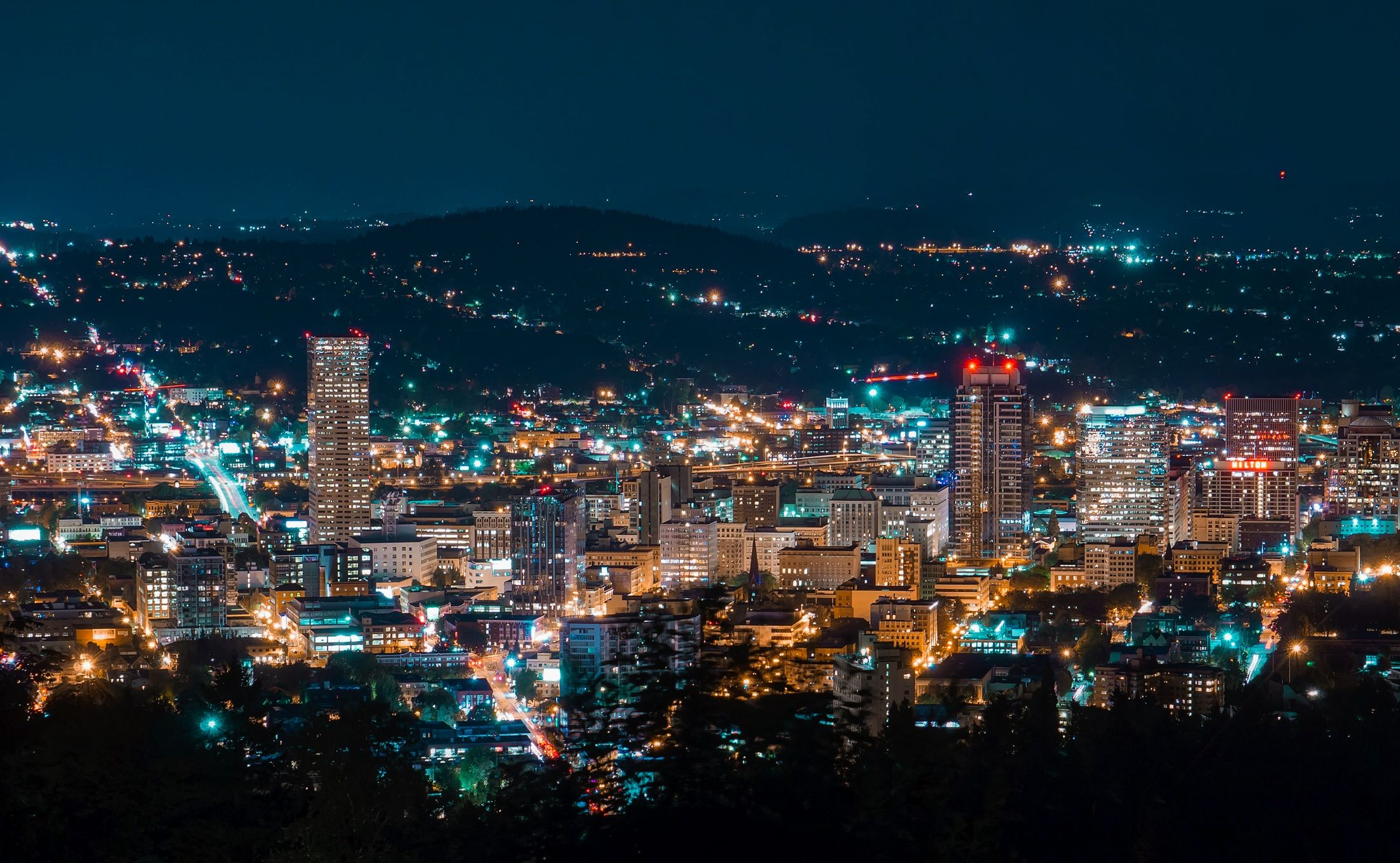
If you want to help, turn the lights off. Artificial light at night disorients night-flying migrants, pulling them into cities and toward glass, where collisions with buildings kill very large numbers of birds every year. Lights Out programmes ask building owners to dim non-essential lighting on peak migration nights, and the forecasts exist partly so those nights can be identified in advance.
The rest of the world's flyways
BirdCast covers the United States, which is a limitation worth stating plainly. The same physics works anywhere with a dense weather radar network, and comparable research exists in Europe, but much of the world has no live public equivalent.
What does exist everywhere is the underlying geography. Birds move along a handful of broad global flyways, and knowing which one passes over you tells you most of what you need. Animal World Map is useful here precisely because it is spatial: seeing which species range through your region, and when, is the version of a migration forecast that works anywhere on Earth.
Takeaway
A billion birds can cross a country in a single night without anyone looking up. Check the forecast the evening before, go out at first light, and switch off the lights you do not need. Autumn passage is already under way.

Get the mobile app now
Explore wildlife anywhere, even offline.
 App Store