
The Most Endangered Animals in the World Right Now
August 1, 2026 · 4 min read
Extinction is usually discussed as a trend. For a handful of species it has become a headcount.
Most online lists of endangered animals repeat population figures that are years out of date, occasionally off by a factor of ten. Here is where things actually stand, using the most recent IUCN Red List assessments.
How many species are actually at risk
The IUCN Red List update released in October 2025 covers 172,620 species, of which 48,646 are considered threatened with extinction. Threatened is an umbrella term covering three categories: Vulnerable, Endangered and Critically Endangered. Close to 4,000 species now sit in that last and most severe tier.
That total climbs with every release, though not mainly because the world is deteriorating that quickly. It climbs because the Red List keeps assessing more species. It still covers only a fraction of known life on Earth, so the real figure is certainly higher. The IPBES global assessment in 2019 estimated that around one million animal and plant species are now threatened, and that extinctions are running tens to hundreds of times faster than the average of the past ten million years.
Down to the last few
- Vaquita. The world's rarest marine mammal, a small porpoise found only in the northern Gulf of California. A November 2025 survey report estimated 7 to 10 individuals, slightly up on the previous year. In 1997 there were around 567. The cause is not hunting but bycatch: vaquitas drown in illegal gillnets set for a fish called the totoaba. Calves are still being seen, which is the one hopeful detail.
- Northern white rhino. Functionally extinct. Two individuals remain, both female, both under armed guard in Kenya. Any future for the subspecies depends on experimental IVF.
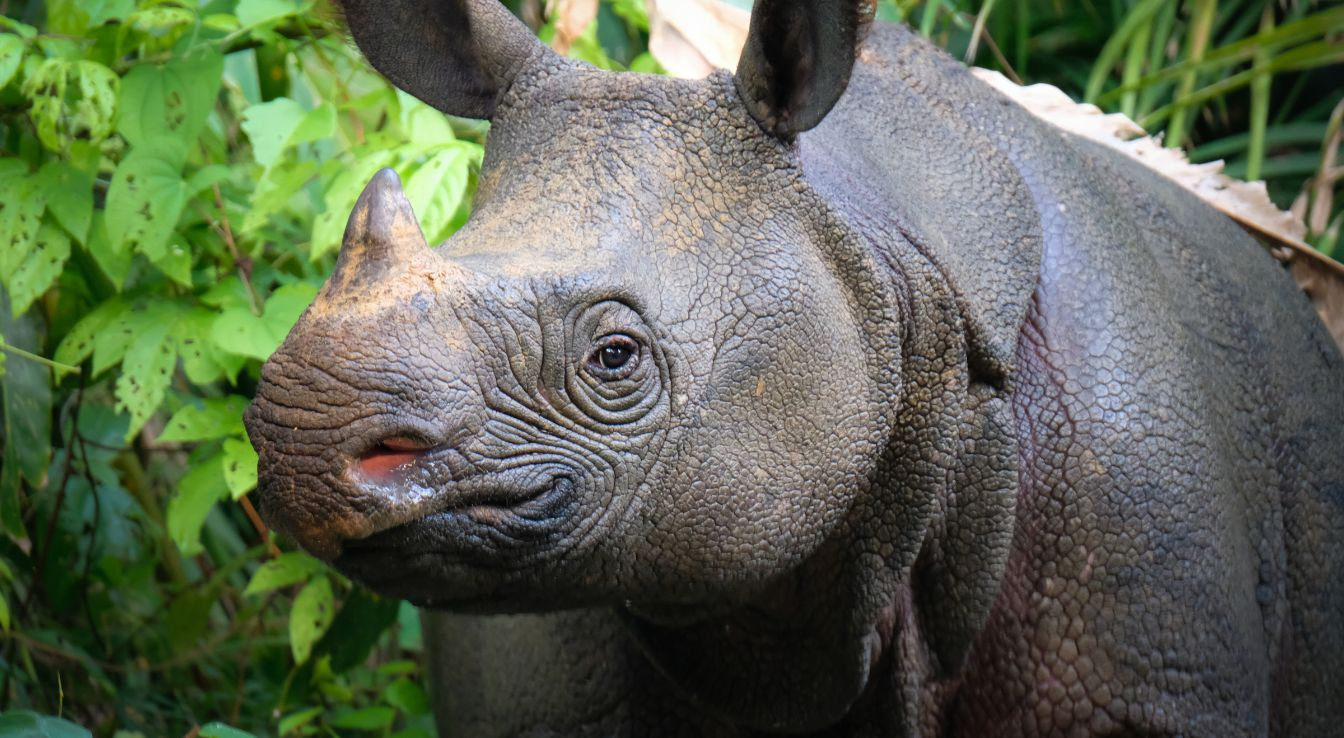
- Javan rhino. Around 50 animals, all inside a single Indonesian national park. The population fell by roughly a third from 76 after poaching groups killed an estimated 26 rhinos between 2019 and 2023.
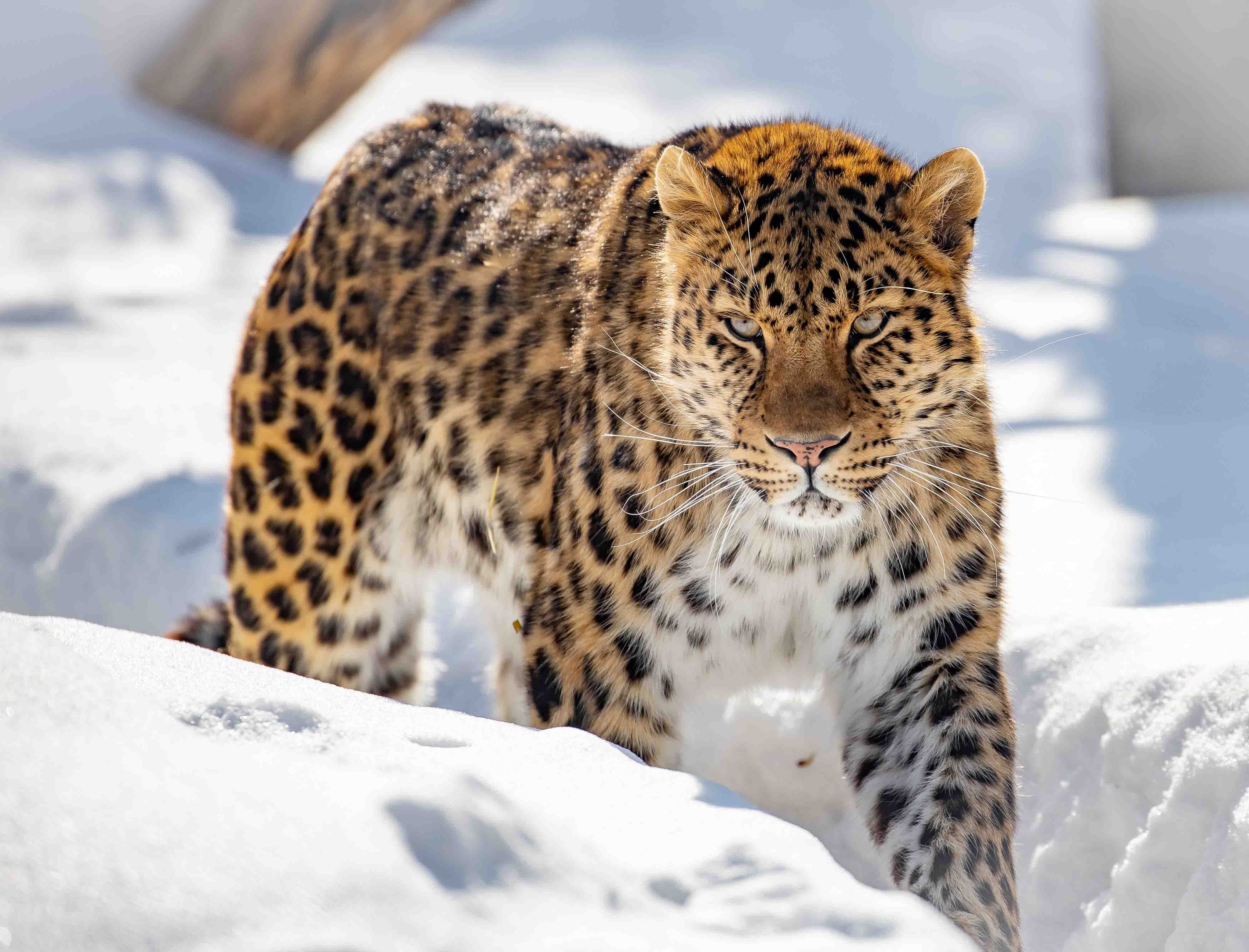
- Amur leopard. About 100 in the wild along the Russia and China border, recovering from a few dozen twenty years ago thanks largely to a protected area created specifically for them.
- Saola. Sometimes called the Asian unicorn, found only in the Annamite mountains of Vietnam and Laos. Possibly fewer than 100 remain, and it has not been photographed in the wild for over a decade.
Not every trend points down
Recovery is slower to make headlines, but it does happen.
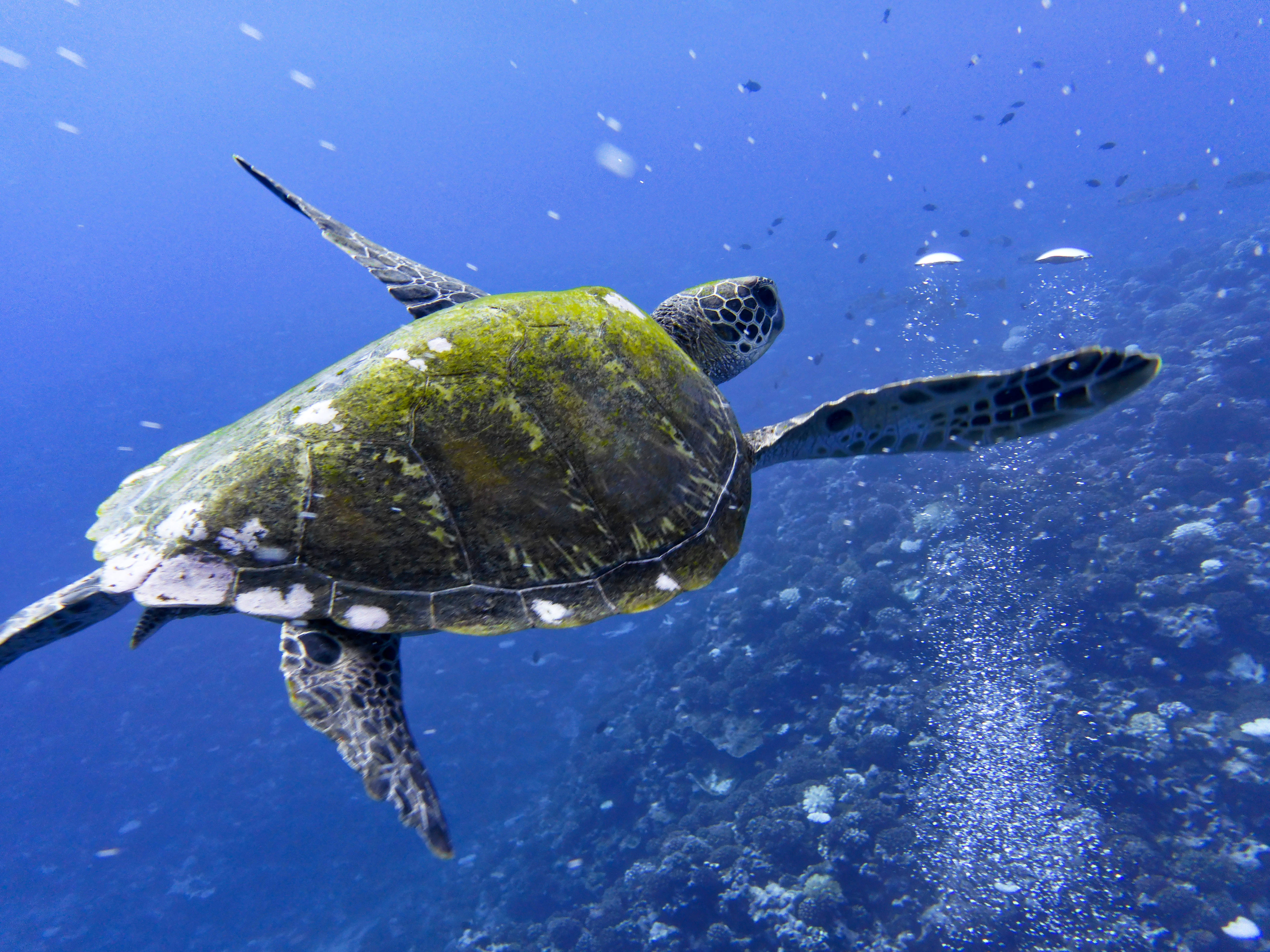
The kakapo, New Zealand's flightless nocturnal parrot, has climbed to around 250 birds under one of the most intensive conservation programmes ever attempted, with every individual named and monitored. And in 2025 the green sea turtle was reclassified from Endangered to Least Concern globally, after decades of nest protection and bycatch reduction.
Both cases make the same point. When a specific pressure is removed, populations can rebuild. The species that stay stuck are the ones whose central threat was never addressed.
What is driving the losses
Two patterns dominate the most recent assessments.
The first is habitat loss and degradation, mainly from agriculture and logging. It is now the leading threat to the more than half of the world's bird species currently in decline.
The second is climate change, which pushed three Arctic seal species closer to extinction as the sea ice they depend on retreats beneath them.
Poaching and illegal trade remain decisive for rhinos, pangolins and big cats. And bycatch, as the vaquita shows, can be lethal even when nobody is targeting the animal at all.
Why the map matters
Look at that first list again and one thing stands out. Almost every species on it is confined to a single place: one national park, one stretch of border forest, one corner of one gulf.
That concentration is precisely what makes them vulnerable, and it is something a range map communicates faster than any statistic. On Animal World Map, seeing a species reduced to a single shaded patch tells the whole story at a glance, because when an animal lives in only one place, protecting that place is the entire strategy.
Takeaway
These numbers move, and they move in both directions. Check them against a current source rather than a list written five years ago, and pay as much attention to where a species lives as to how many are left.

Get the mobile app now
Explore wildlife anywhere, even offline.
 App Store